

Custom Planting Beds
Choosing the Right Materials for Your Custom Planting Beds in 2025
Explore how to choose the right materials for your custom planting beds in 2025. Discover sustainable options, design versatility, and tips to create a beautiful, eco-friendly garden that reflects your values.
Nov 01, 2025
5 min read
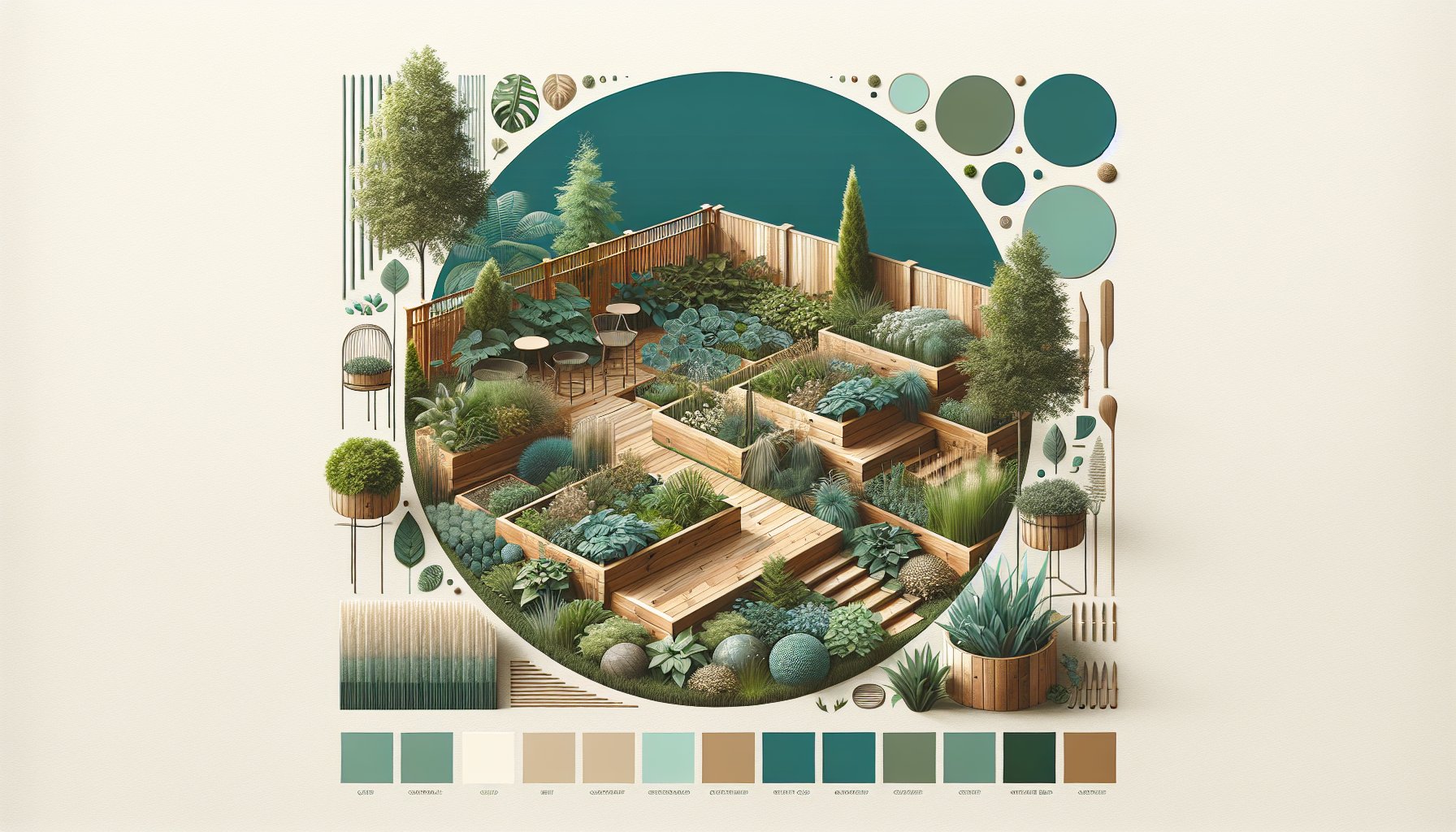
Crafting the Perfect Nest: A 2025 Guide to Material Selection for Custom Planting Beds
In the dance of gardening, selecting the right materials is like choosing the perfect dance partner: it can make or break your performance. As 2025 dawns, every decision you make about your Custom Planting Beds will reverberate throughout your garden's life. These aren't just functional choices; they're a reflection of your gardening philosophy, blending sustainability with beauty.
Material Alchemy: The Evolution of Planting Bed Components
Remember when wooden raised beds were the gold standard? They often became the starting point for many of us. Untreated cedar was a trusty favorite, armed with natural pest resistance and longevity. But as we step into this innovative age, the palette of materials has expanded to reflect not only function but the artful side of gardening.
Today, reclaimed wood tells stories of yesteryear, perhaps from an old barn or a forgotten fence, while modular systems crafted from steel or composites offer flexibility and durability. Imagine those sleek curves or geometric patterns elevating your garden from a patch of dirt to a living art installation.
In this era of eco-conscious gardening, we must think about how our choices impact the earth. Are those materials leaching chemicals into the soil? Organic principles steer us toward natural choices that nurture rather than harm.
The Green Revolution: Sustainability and Style
As we march into 2025, the Green Revolution propels us to rethink our gardening practices. It’s about more than just aesthetics and functionality; it's a commitment to nurturing our planet. Choosing materials like untreated wood, especially cedar, means you're safeguarding not only your plants but also the earth.
Imagine standing in your backyard, surrounded by beds crafted from eco-friendly materials. These choices speak volumes about your ecological responsibilities. And it’s not just about individual decisions; supporting local suppliers reduces our carbon footprints and fosters community spirit.
Texture and Tactile Experience: More Than Meets the Eye
Gardening is a sensory experience. Sure, the visual appeal is important, but what about the tactile feel of your materials? Running your fingers across the rough texture of cedar or the smoothness of steel is an emotional connection to your space.
Each material tells a different story. Weathered stone whispers of tranquility, while the slickness of metal can suggest modern minimalism. Engaging different textures enriches your garden’s narrative, inviting you to interact with your environment in a more meaningful way.
The Durability Dilemma: A Balancing Act
Choosing between durability and aesthetics is like being caught between a rock and a hard place. You crave a space that's both enduring and gorgeous. Cedar is an alluring choice, but let’s not forget the price tag. Is the investment worth it when treated pine is cheaper, but calls for replacements more often?
Consider the longevity you seek. Would you rather a garden characterized by frustration or one that tells a beautiful, enduring story?
Climate Considerations: Tailored Choices
Don't forget: Your local climate plays a starring role in this decision-making process. Humid areas may demand materials like composite or hardwoods, while arid regions might benefit from rust-resistant metals to combat the sun’s drying effects.
Your garden's microclimates also matter. Whether it’s a sunny spot needing reflective materials or a shady corner where roots need insulation, tailoring your materials to your environment is key.
Bed Design Versatility: Form Meets Function
Beyond materials, how you design your beds matters. Whether they're interlocking cedar shapes or symmetrical stone layouts, design impacts both plant growth and garden aesthetics. Sustainable materials like local stone or reclaimed wood deepen your garden’s narrative, making it a conversation starter.
A Palette for Growth: The Impact of Color
Color is a silent communicator in your garden. It affects plant health and mood. Darker beds absorb heat, benefiting cooler climates, while lighter materials reflect sunlight, preventing overheating. Your garden’s color palette should unify its aesthetic, creating a cohesive and inviting space.
Budgeting Your Botanical Dreams: Cost vs. Quality
When it comes to your wallet, the balance between cost and quality is crucial. Initial savings may lead to long-term disappointment. Investing in premium materials now, like cedar or untreated hardwoods, pays off with fewer replacements and a more bountiful harvest.
The Eco-Design Community: Collective Wisdom
Gardening isn’t a solo venture. Join forces with the Eco-Design Community, where innovative minds come together for sustainable practices. Collaborative efforts lead to creative solutions and shared knowledge, strengthening both gardens and communities.
Crafting Your Legacy: Personalizing Your Planting Beds
Ultimately, your garden is an extension of you. It’s your legacy, crafted from materials that reflect your values and style. Whether it's the rustic charm of cedar or the elegance of stone, your choices create a space that nurtures not just plants, but also memories and connections.
In the end, let your garden be a masterpiece that tells your unique story, one which is sustainable, beautiful, and deeply personal.
TLDR:
Selecting the right materials for garden beds in 2025 is about sustainability, aesthetics, and functionality. Balance eco-friendly choices like untreated cedar with design versatility, climate considerations, and budget constraints. Collaborate with the Eco-Design Community to ensure your garden reflects your values and serves as a lasting legacy.
 1414 N 205th St Suite 2

Need Help?
Check out these related products that can help:

Other Articles You Will Like
Custom Planting Beds
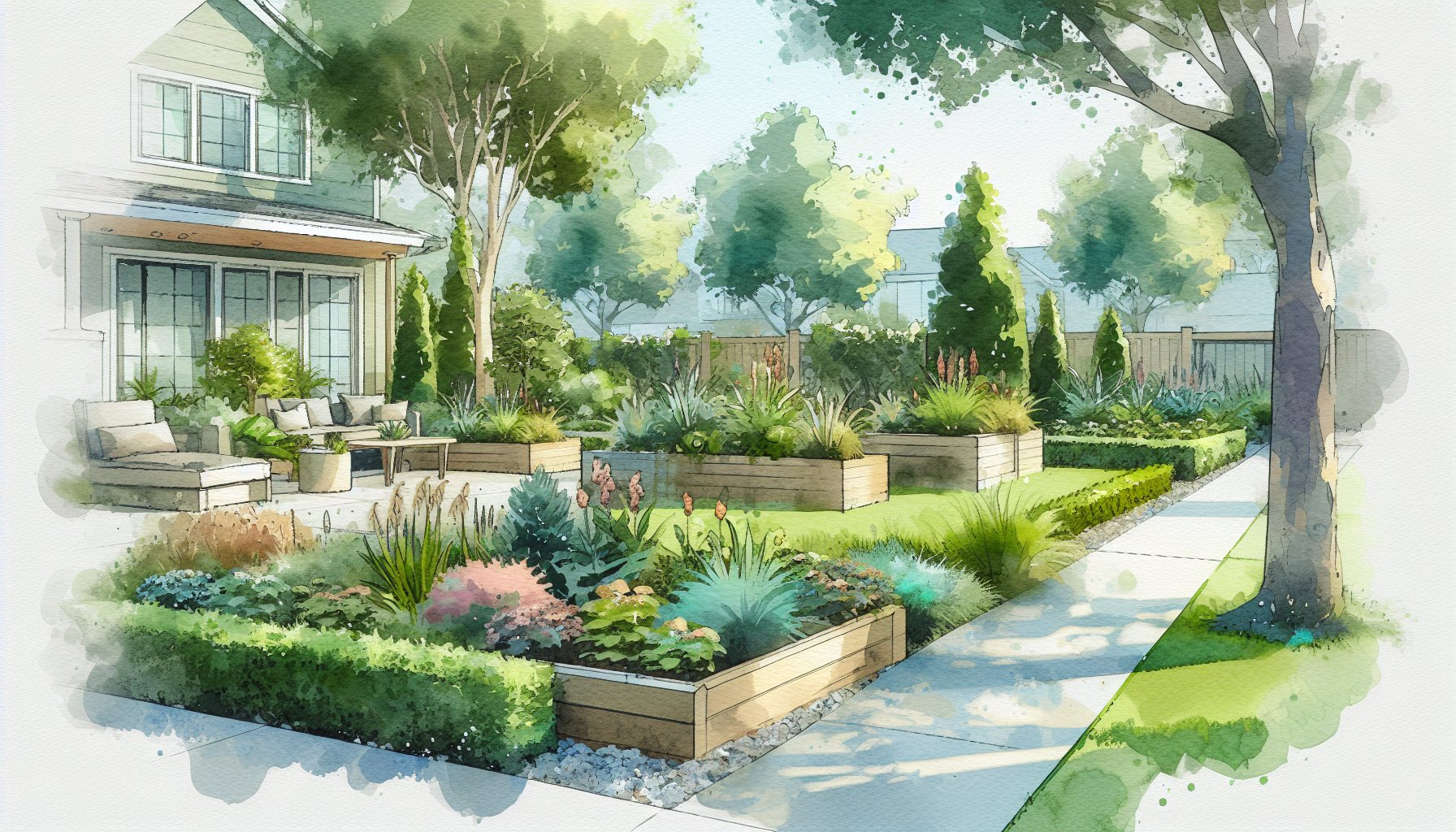
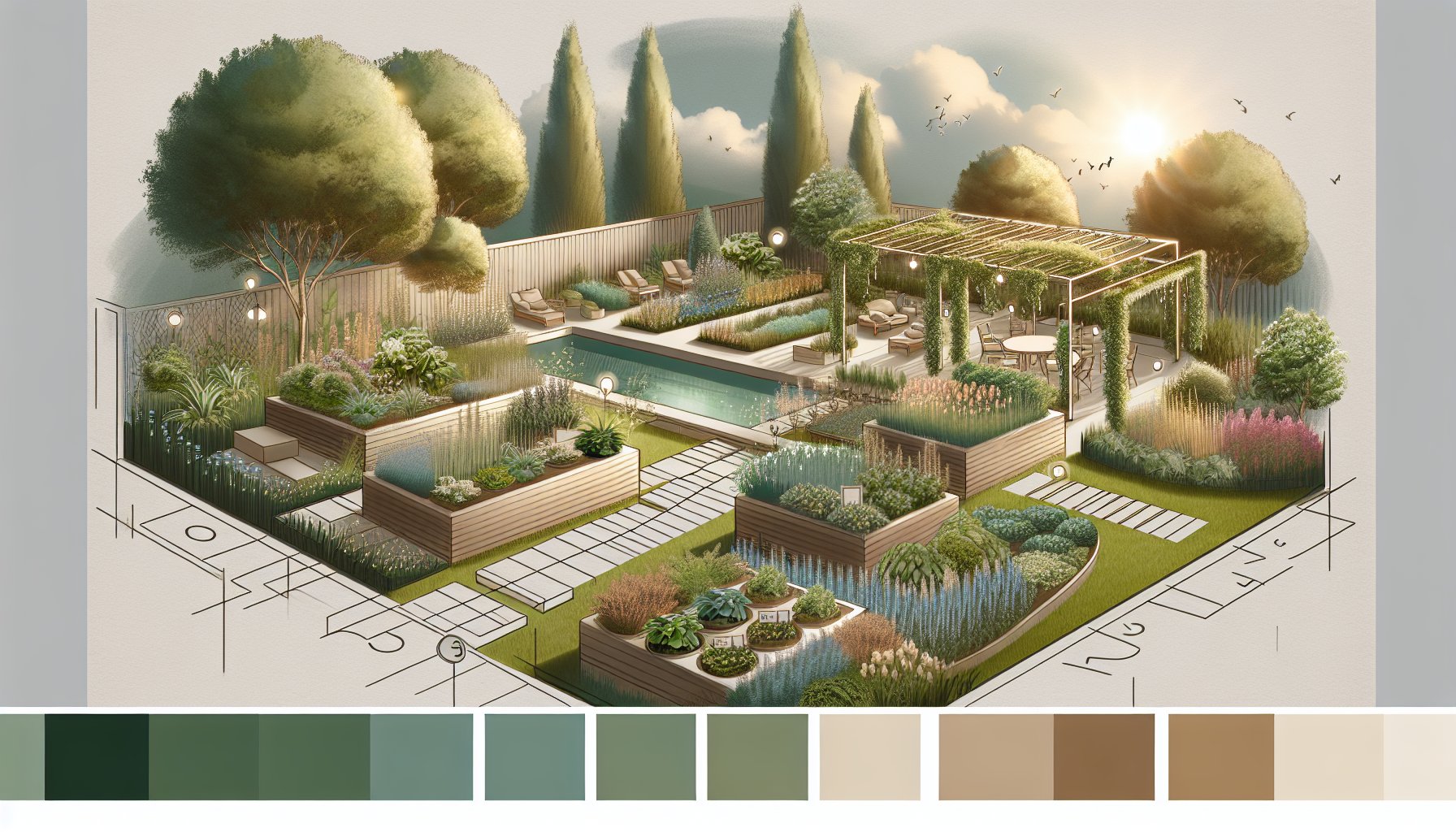
Enhancing Curb Appeal with Stylish Custom Planting Beds
Discover how enhancing curb appeal with stylish custom planting beds can transform your home's exterior. From design tips to plant selection, learn to create a stunning landscape that captivates and impresses all year round.
Nov 06, 2025
Read More
Custom Planting Beds
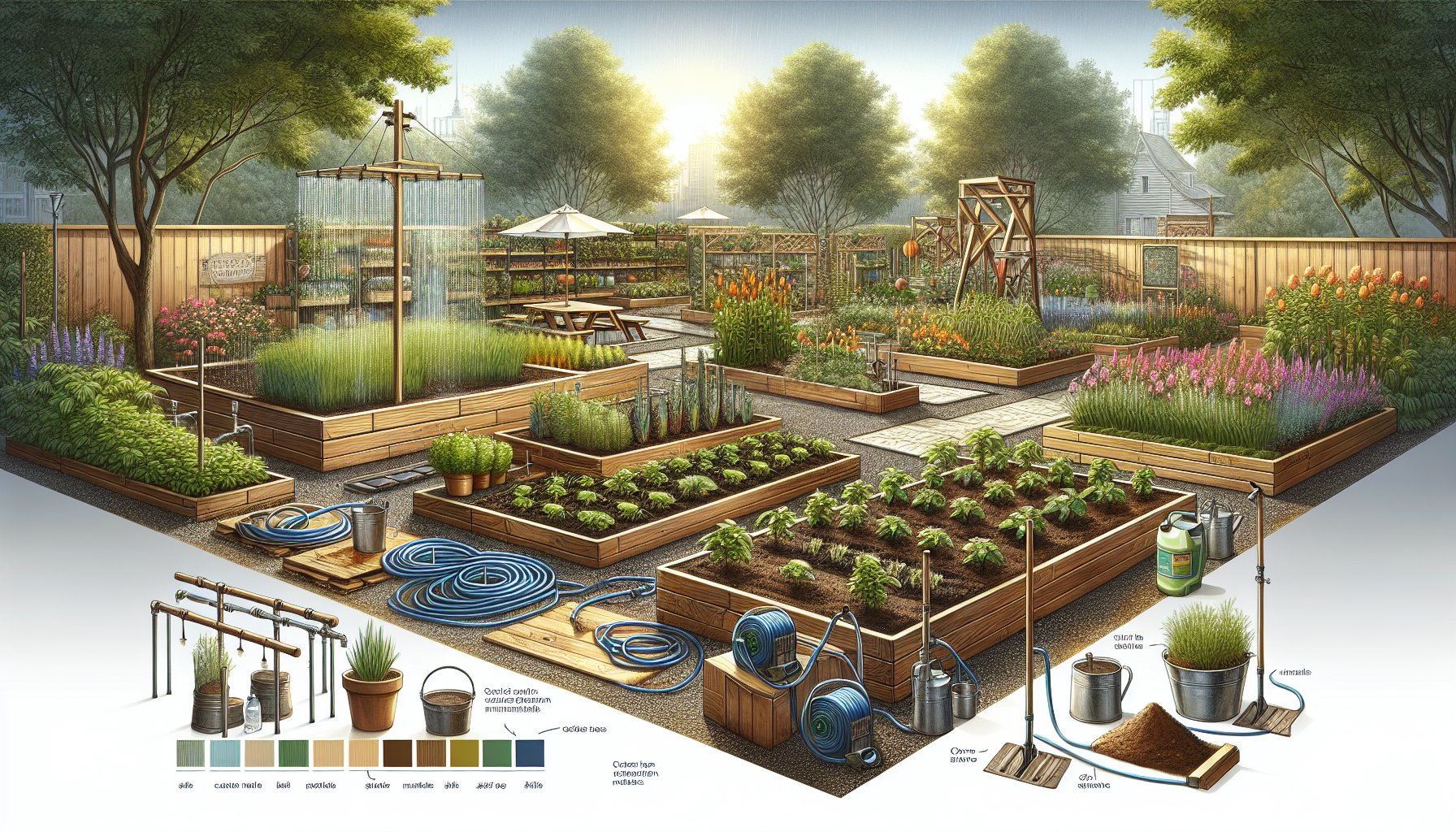
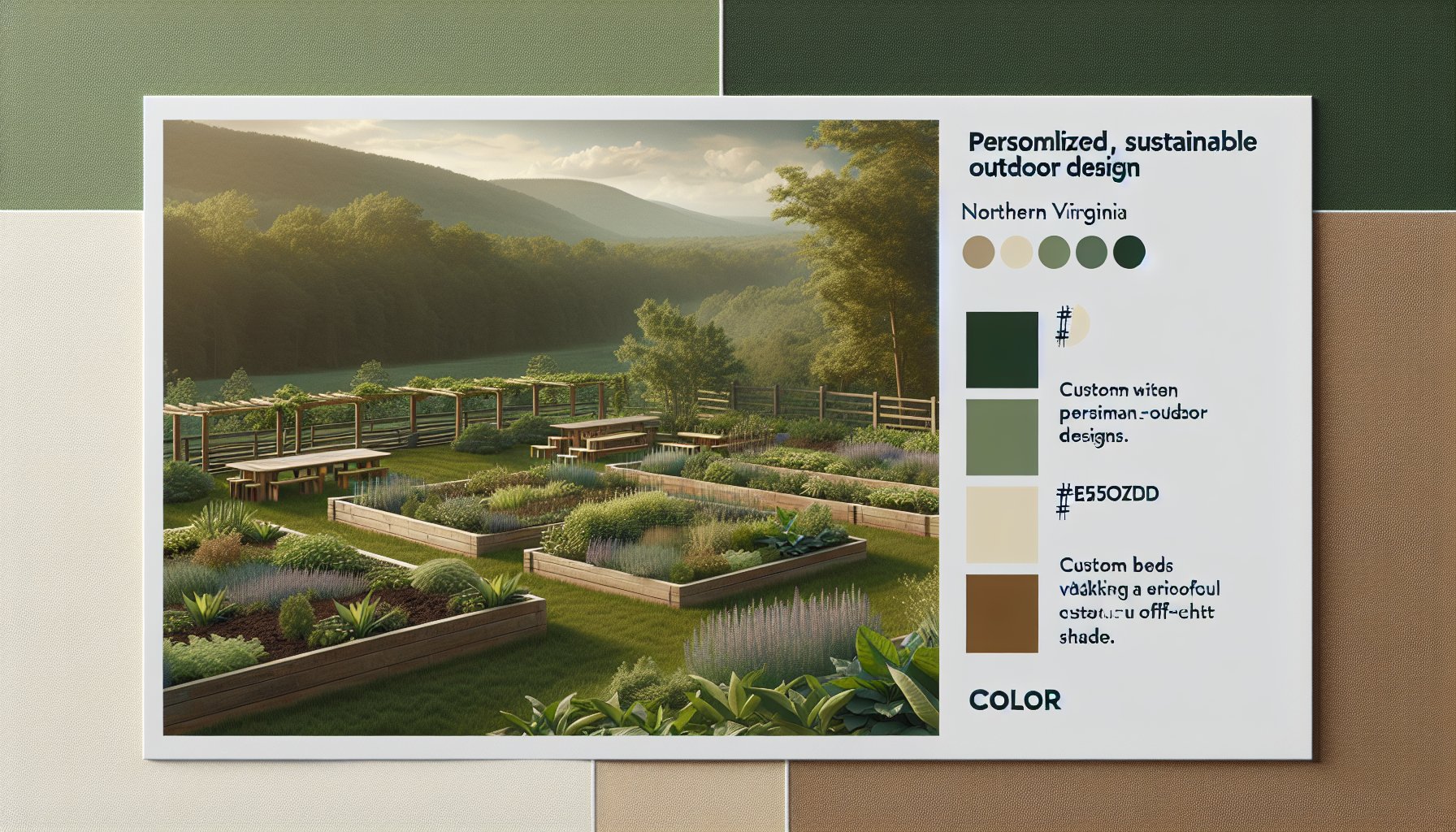
The Ultimate Overview of Custom Planting Beds for Every Garden Style
Discover 'The Ultimate Overview of Custom Planting Beds for Every Garden Style' and learn how to create a personalized oasis that reflects your unique style. From design tips to plant selection, let Carson Outdoor Living guide you in crafting your dream garden.
Nov 06, 2025
Read More
Custom Planting Beds
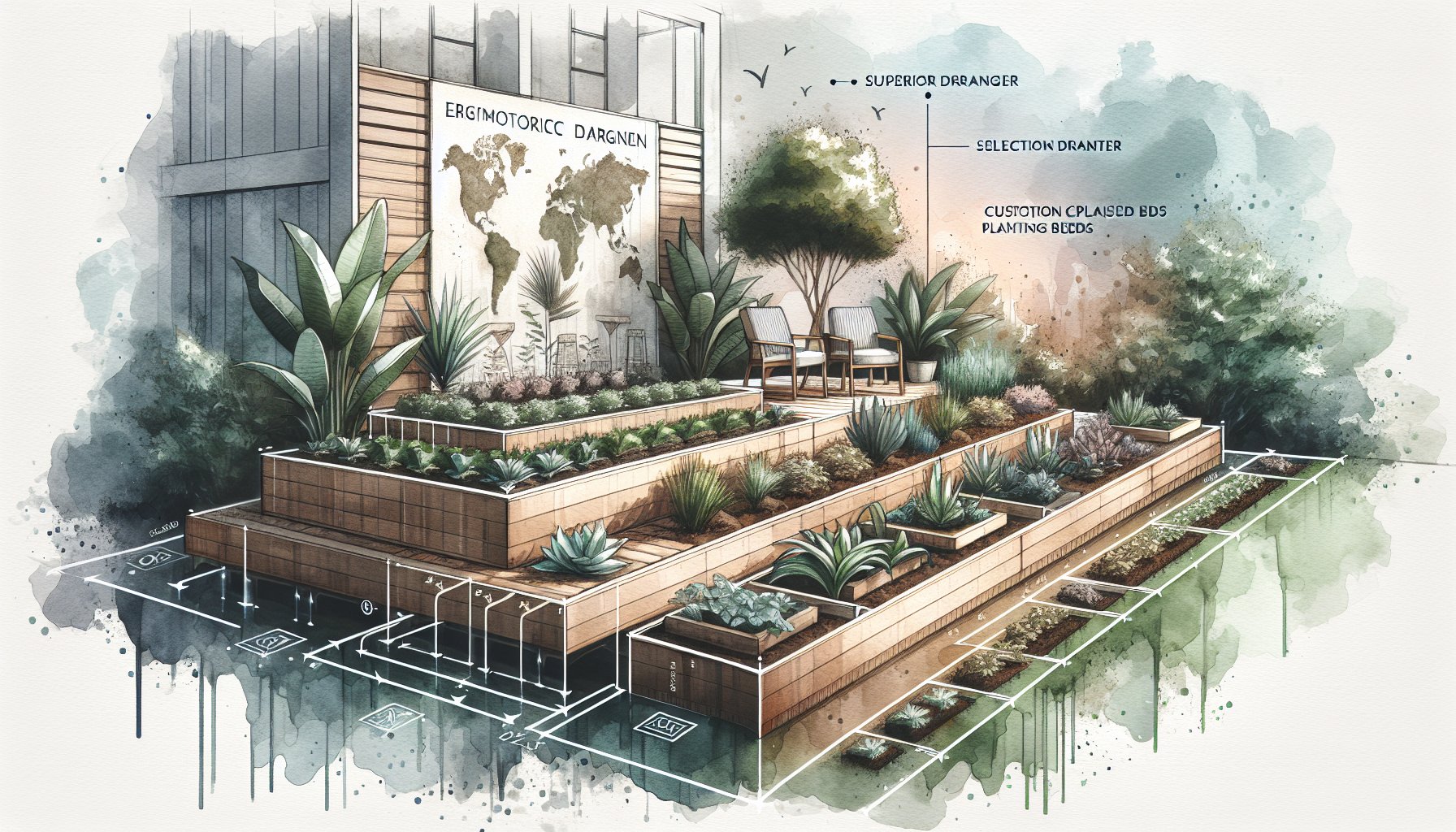
Custom Planting Beds: Elevate Your Local Landscaping Aesthetic in 2025
Discover how custom planting beds can enhance your landscaping aesthetic in 2025. Join Carson Outdoor Living to create a sustainable, vibrant garden that reflects your personal style and embraces local nature.
Nov 05, 2025
Read More
Custom Planting Beds
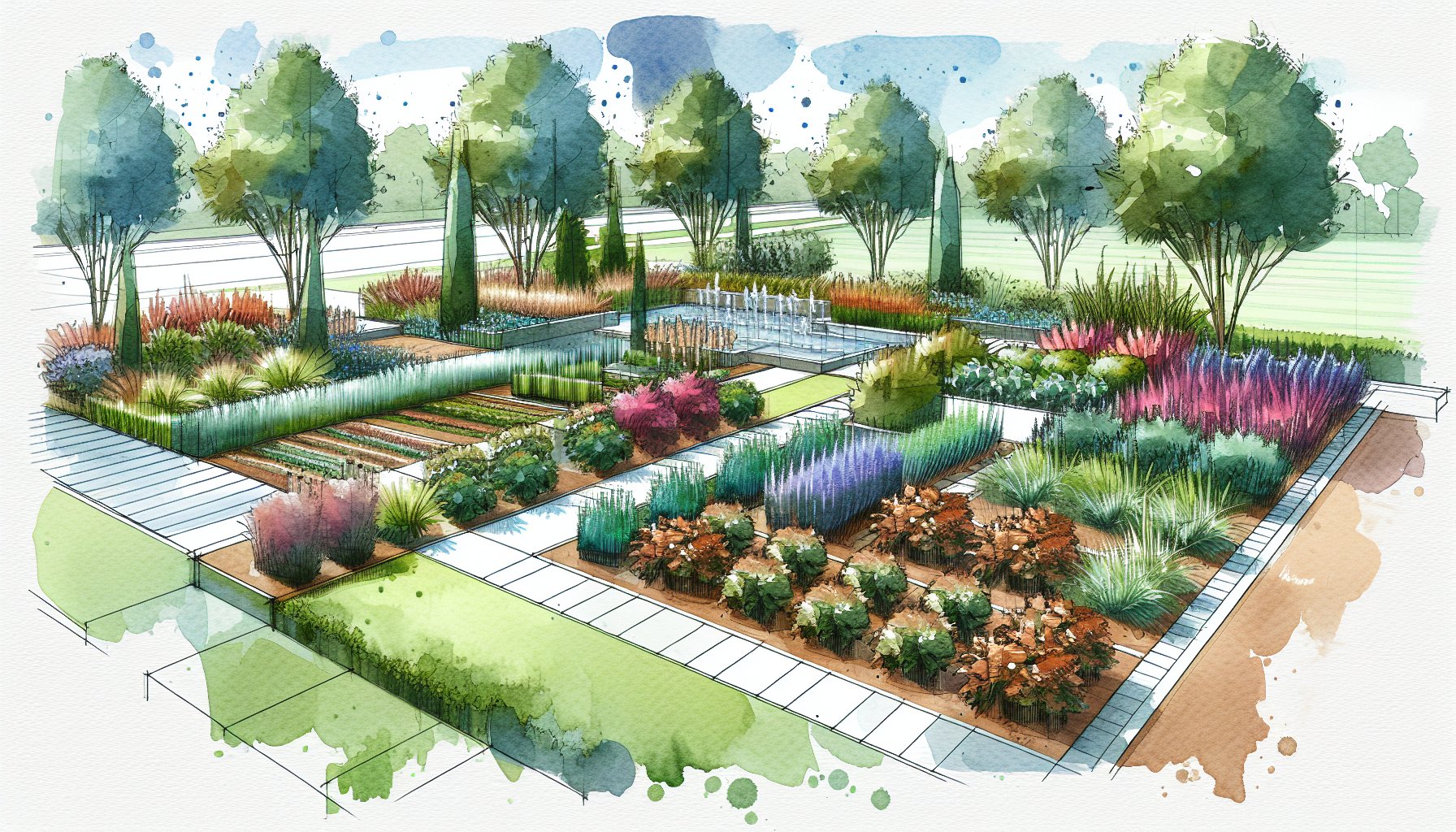
Step-by-Step Tutorial: Building Elevated Custom Planting Beds for Better Drainage
Transform your gardening experience with our step-by-step tutorial on building elevated custom planting beds. Enjoy better drainage, reduced back strain, and a stylish garden oasis. Discover materials, design tips, and plant selection for a thriving elevated garden!
Nov 05, 2025
Read More
Custom Planting Beds
How to Incorporate Custom Planting Beds into Your Landscape Design
Discover how to incorporate custom planting beds into your landscape design. Transform your garden into a vibrant masterpiece with expert tips on plant selection, soil preparation, and seasonal adjustments for a thriving outdoor space.
Nov 05, 2025
Read More
Custom Planting Beds
Custom Planting Beds vs. Traditional Gardens: Which is Right for You in 2025?
Discover the pros and cons of Custom Planting Beds vs. Traditional Gardens in 2025. Make an informed choice that reflects your gardening goals, space, and lifestyle. Dive into the future of gardening today!
Nov 03, 2025
Read More
Custom Planting Beds
Custom Planting Beds vs. Traditional Gardening: What’s the Difference?
Explore the essential differences between custom planting beds and traditional gardening. Discover which method suits your gardening goals, budget, and space for a thriving garden experience!
Nov 03, 2025
Read More