

Custom Planting Beds
Step-by-Step Tutorial: Building Elevated Custom Planting Beds for Better Drainage
Transform your gardening experience with our step-by-step tutorial on building elevated custom planting beds. Enjoy better drainage, reduced back strain, and a stylish garden oasis. Discover materials, design tips, and plant selection for a thriving elevated garden!
Nov 05, 2025
7 min read
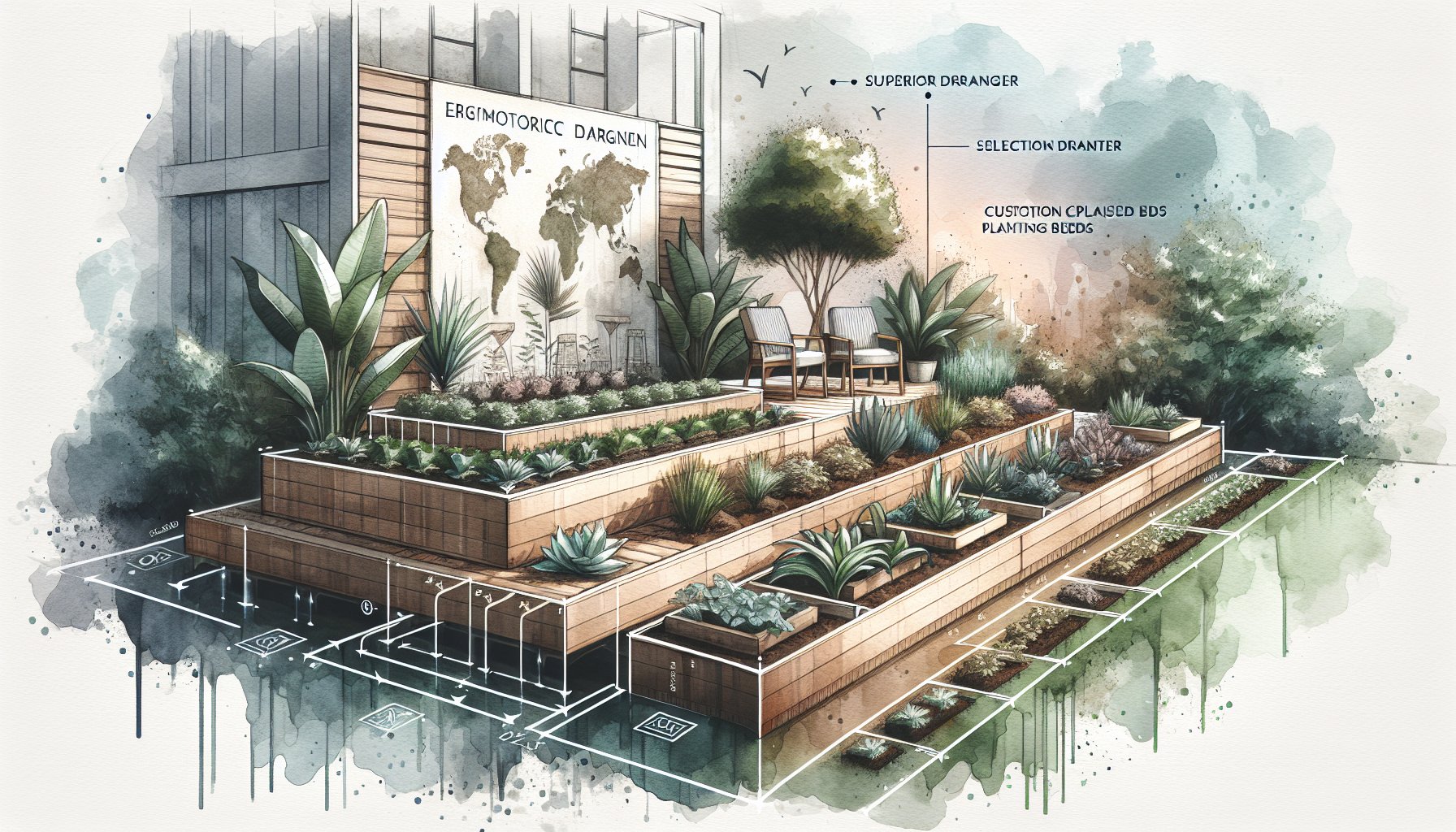
Elevated Green Dreams: A Journey into Custom Planting Beds
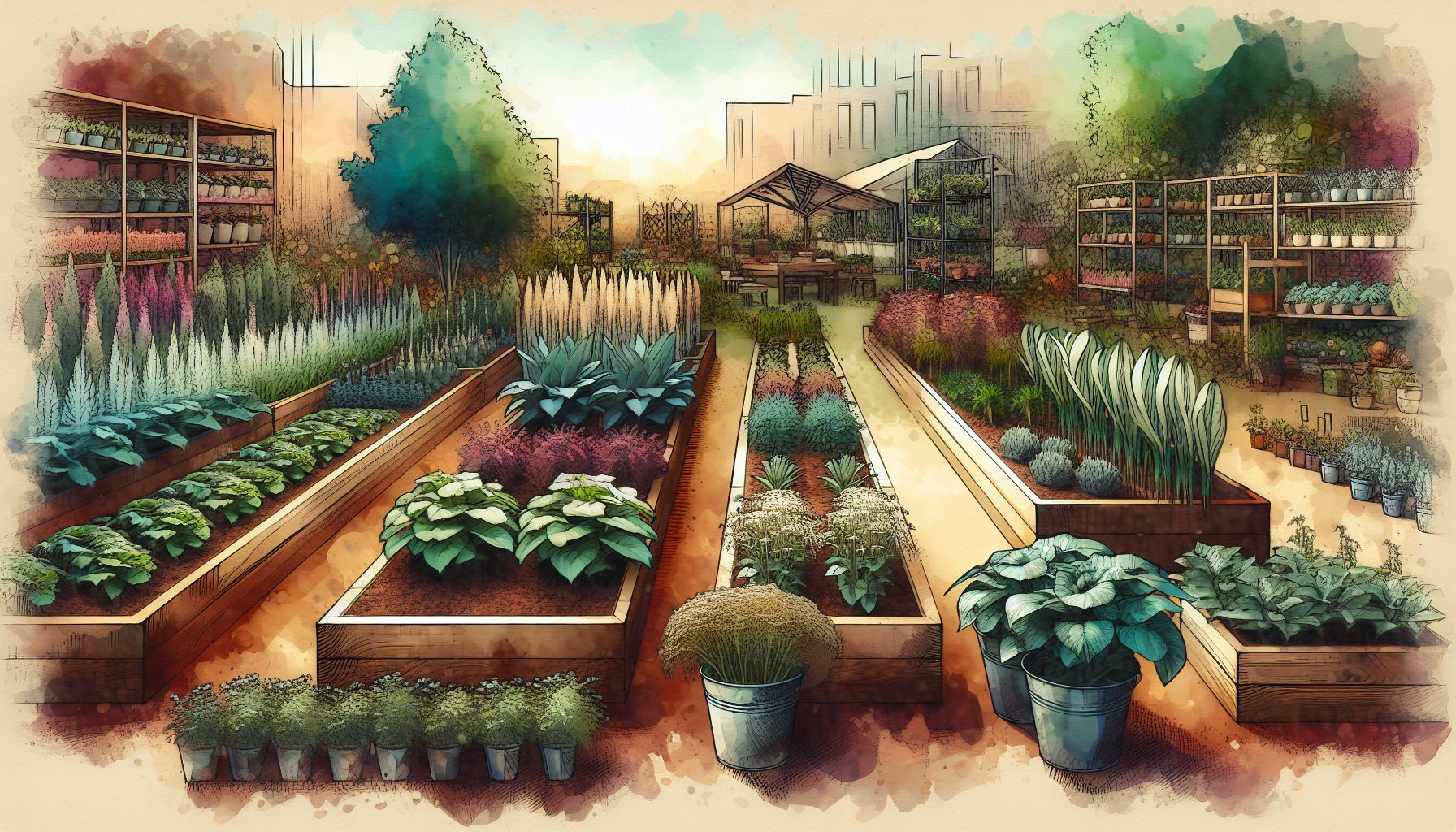
Picture this: You, under the golden sun, gently entwining your fingers with the soil. It’s almost poetic, isn’t it? That beautiful dance between you and Mother Nature. But let’s be real, bending over in a traditional garden can leave you feeling less like a graceful earth goddess and more like, well, a creaky old barn door. Cue the entrance of elevated Custom Planting beds, a gardener's best friend, combining style and practicality while giving your plants a VIP experience. These beauties let you garden at waist height, alleviating back strain and boosting your plant game with better drainage and, not to mention, a touch of class to your yard.
Meet Jaimie, a soon-to-be mom, who’s been there, done that with the frustrating world of in-ground gardening and its poor drainage woes. Now, she’s all about those elevated beds where she can garden without doing acrobatics around her baby bump. Elevated beds are a swoon-worthy blend of aesthetics and ease, letting you grow everything from rainbow veggies to aromatic herbs.
Raising the Stakes: Why Elevated Beds Matter
Here's the deal: Elevated beds aren’t just eye candy; they’re a revolution for anyone who wants to turn gardening from a back-breaking chore into an enjoyable escape. Imagine spending your Saturday morning surrounded by vibrant blooms, without needing to contort your body into a yoga pose. These raised beds grant you the ergonomic leisure you deserve, inviting gardeners of all ages and abilities to join the fun.
And it’s not only about comfort. These raised gardens provide superior drainage, too. Traditional gardens often suffer from compacted soil and poor drainage, leading to sad, soggy roots. Elevated beds come to the rescue, ensuring your plants have just the right amount of water without drowning them. Plus, because raised beds warm up earlier in the season, you can plant sooner and harvest longer. Talk about a win-win!
Designing Your Garden
Embarking on your elevated bed adventure starts with a vision. What’s yours? Sleek modernity with galvanized stock tanks that scream “Pinterest-worthy”? Or rustic cedar wood that whispers “cottagecore chic”? Jaimie and her partner teamed up to sketch a design that's both practical and eye-catching, balancing the visual with the functional. Your elevated garden should be a reflection of your style and an oasis where both plants and your spirit thrive.
As you plan, remember: these beds require consideration of sunlight and space. A sun-drenched area is a must. Map out where the beds will live, harmonizing with your landscape. Picture this as a creative outlet, one that, when done right, rewards both the eye and the palate.
Materials Matter
Choosing materials for your elevated beds is a bit like selecting your garden’s wardrobe. Cedar or redwood frames bring warmth and longevity, while the sleek allure of galvanized metal adds a modern twist. But aesthetics aren’t everything. Practicality demands attention to drainage, too. For example, if you tap into the stylish world of stock tanks, remember to drill drainage holes. It’s all about balancing looks with logistics to create a garden that’s both durable and dazzling.
Groundwork and Foundations: Preparing Your Site
Let’s get down to earth, literally. Preparing your site is the unsung hero of your elevated gardening venture. Choose a spot that gets a healthy dose of sunlight, and make sure the ground is level to avoid unwanted puddles. Dealing with uneven terrain might involve some muscle work, but hey, that’s just part of the adventure. Clear out any debris, and consider a soil test if you’re feeling extra fancy. The goal here is to lay a solid foundation for your raised beds, ensuring they’re ready to support your green dreams.
Crafting Your Masterpiece
Now that you have the blueprint, it's time to get building! Whether you’re team wood or team metal, make sure your materials are prepped for the long haul. If you’re working with wood, a non-toxic sealant is a must. Using stock tanks? Drill those drainage holes like a pro, don’t forget the safety gear, and layer the base with coarse gravel before filling with soil. You’re not just planting veggies, you're constructing a masterpiece.
Soil Secrets
Ah, soil, the unsung hero of your elevated garden. Think of it as the conductor of your plant symphony, orchestrating nutrients and drainage. Many pre-packaged mixes can be hit or miss, so consider whipping up your own. A blend of compost, loamy soil, and perlite can support a healthy ecosystem below the surface. Elevate your soil game with organic matter like compost or leaf mold to retain moisture and keep those roots happy.
Draining the Drama
Standing water is like that uninvited guest that overstays its welcome. Avoid the drama by ensuring your beds have excellent drainage. Imagine each planting bed as a well-structured piece of real estate, with drainage holes and a gravel base to keep everything flowing smoothly. This careful planning transforms your elevated bed into a top-tier, drama-free zone where plants flourish without the soggy side effects.
A Green Canopy: Choosing Plants for Elevated Success
Choosing plants for your elevated beds is like curating a personal art installation. Focus on those that thrive in well-drained environments. Root vegetables, like carrots and parsnips, appreciate the depth of raised beds, while leafy greens like spinach and lettuce are perfect for the shallower end. Creating a lush tapestry of vegetables and flowers will turn your garden into a vibrant, living masterpiece.
Not All Plants Thrive in Elevated Beds
Remember Sarah’s zucchini mishap? Not every plant is meant for elevated glory. Understand your plants' needs before sowing. Herbs like thyme and drought-resistant veggies like kale are great bets. Avoid moisture-loving varieties that might feel out of place in an elevated, well-drained setup. Plant strategically and keep your raised beds thriving.
Maintenance Made Easy: Growing Pains and Solutions
Gardening isn’t just about planting; it’s about nurturing. Stay on top of pests, keep your soil rich with compost, and make sure you’re watering just right. Regular maintenance, like mulching before winter or setting up a drip irrigation system, keeps everything thriving. With a little effort, your elevated beds will bring years of joy.
Harvesting the Rewards: Celebrating Your Elevated Eden
As you savor the fruits (and veggies) of your labor, celebrate not just the harvest but the journey. You’ve created an elevated Eden, a personal sanctuary where each plant carries the story of your gardening adventure. From hosting friends to feasting on your homegrown bounty, you’ve cultivated not just a garden, but a lifestyle.
Step into your garden, breathe its beauty, and celebrate an elevated life that’s as rich as the soil in your raised beds. You’ve created more than just a garden; you’ve crafted a legacy of love, growth, and sustainability. Cheers to your thriving, elevated Eden. 🌱
TL;DR: Elevated custom planting beds let you garden without back pain, offering superior drainage and a stylish touch to your yard. Ideal for ergonomic gardening, they cater to various aesthetics and enhance plant growth. Dive into choosing the right materials, preparing your site, and crafting a masterpiece that suits your needs. From soil secrets to plant selection, embrace the elevated gardening journey with ease and celebrate the lush rewards of your personal elevated Eden. 🌿

 1414 N 205th St Suite 2

Need Help?
Check out these related products that can help:

Other Articles You Will Like
Custom Planting Beds
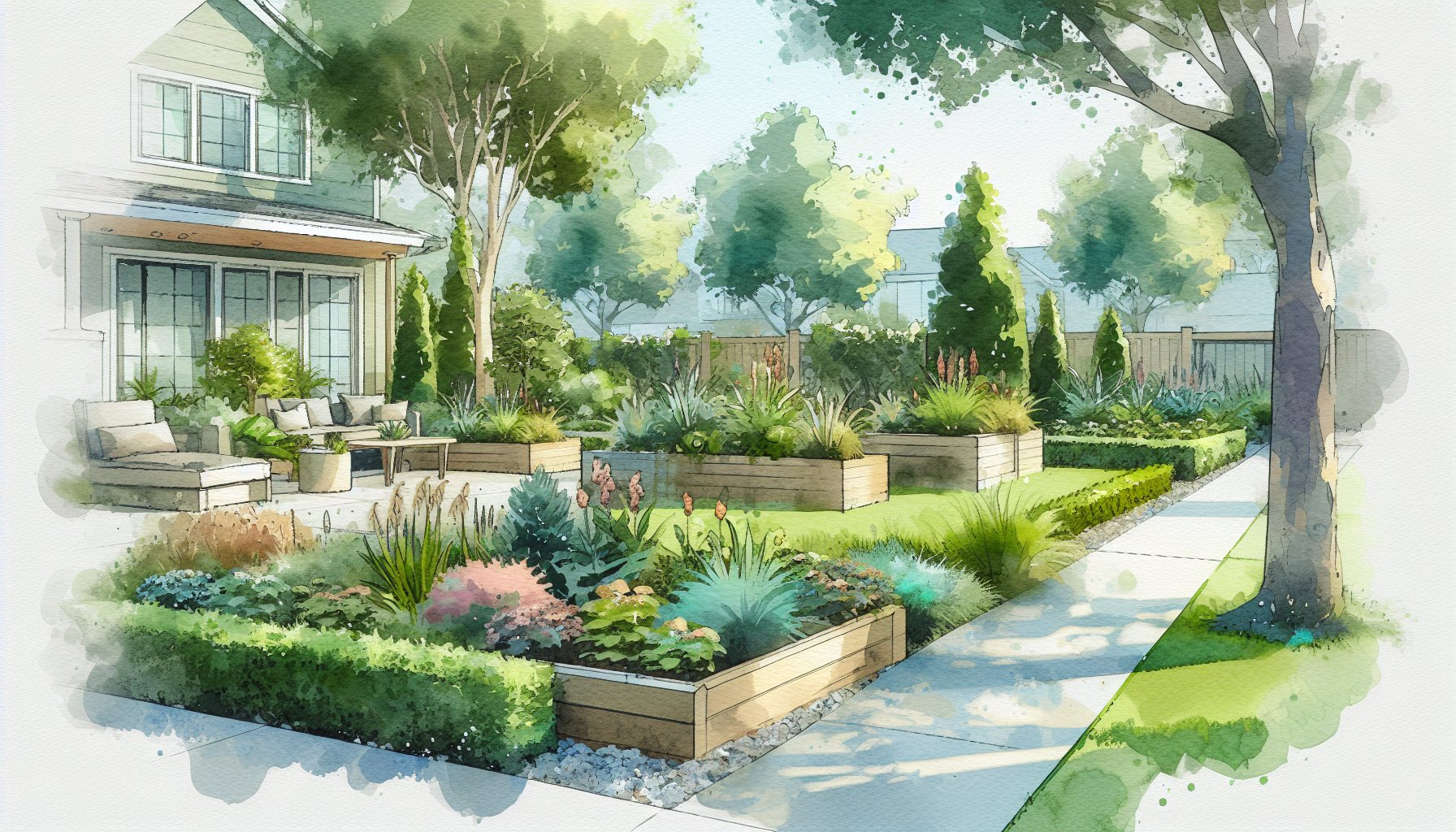
Enhancing Curb Appeal with Stylish Custom Planting Beds
Discover how enhancing curb appeal with stylish custom planting beds can transform your home's exterior. From design tips to plant selection, learn to create a stunning landscape that captivates and impresses all year round.
Nov 06, 2025
Read More
Custom Planting Beds
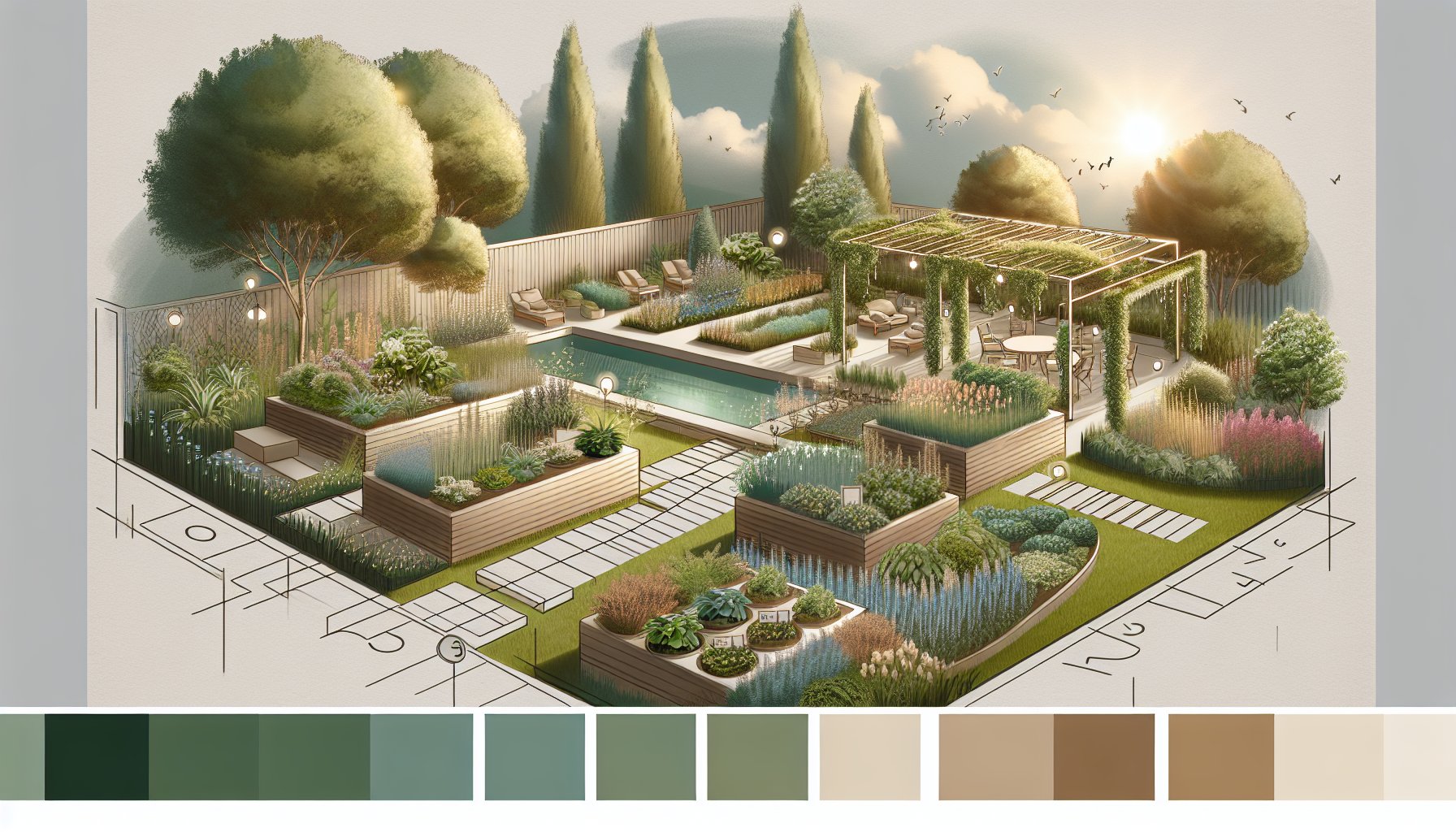
The Ultimate Overview of Custom Planting Beds for Every Garden Style
Discover 'The Ultimate Overview of Custom Planting Beds for Every Garden Style' and learn how to create a personalized oasis that reflects your unique style. From design tips to plant selection, let Carson Outdoor Living guide you in crafting your dream garden.
Nov 06, 2025
Read More
Custom Planting Beds
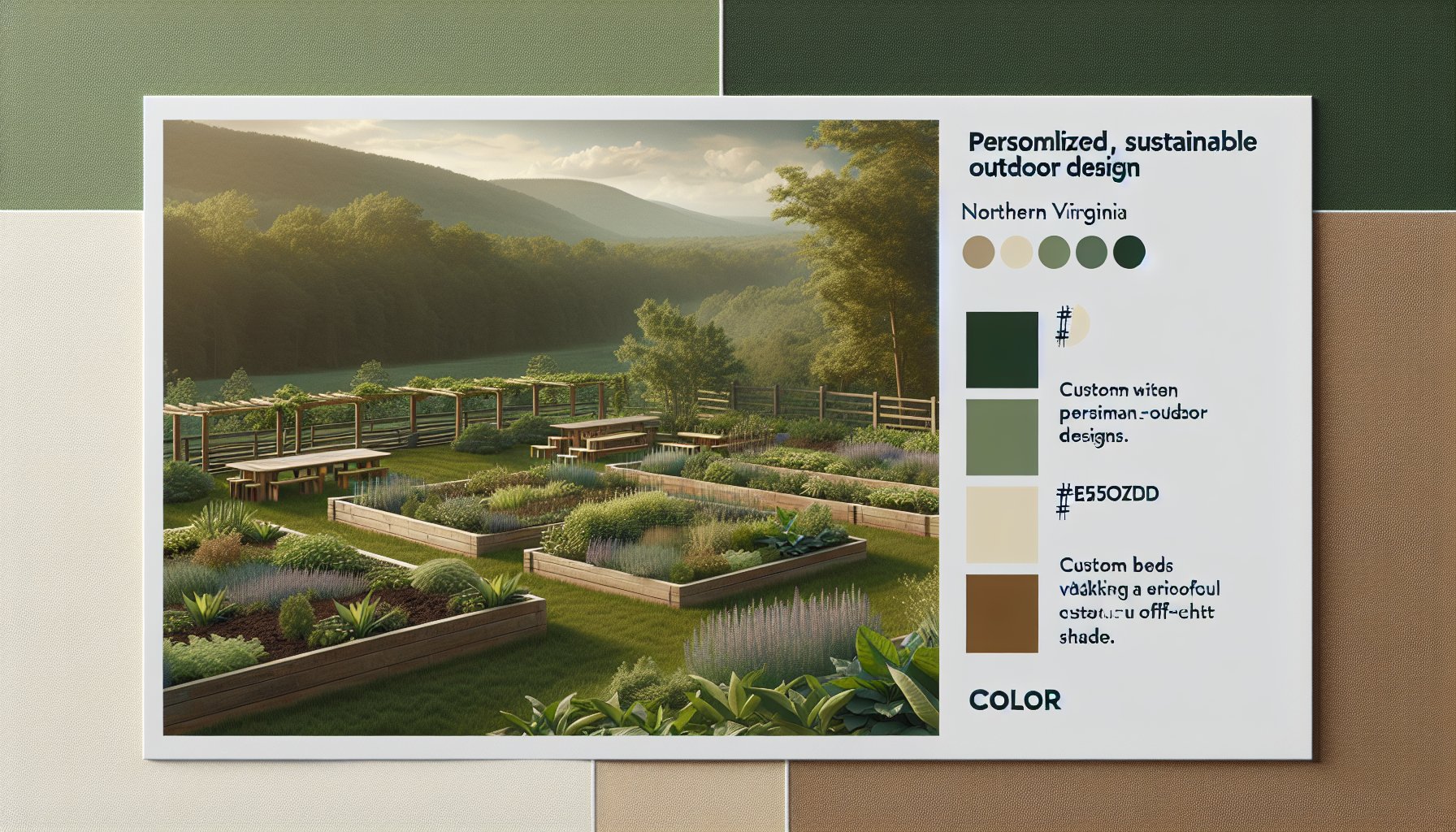
Custom Planting Beds: Elevate Your Local Landscaping Aesthetic in 2025
Discover how custom planting beds can enhance your landscaping aesthetic in 2025. Join Carson Outdoor Living to create a sustainable, vibrant garden that reflects your personal style and embraces local nature.
Nov 05, 2025
Read More
Custom Planting Beds
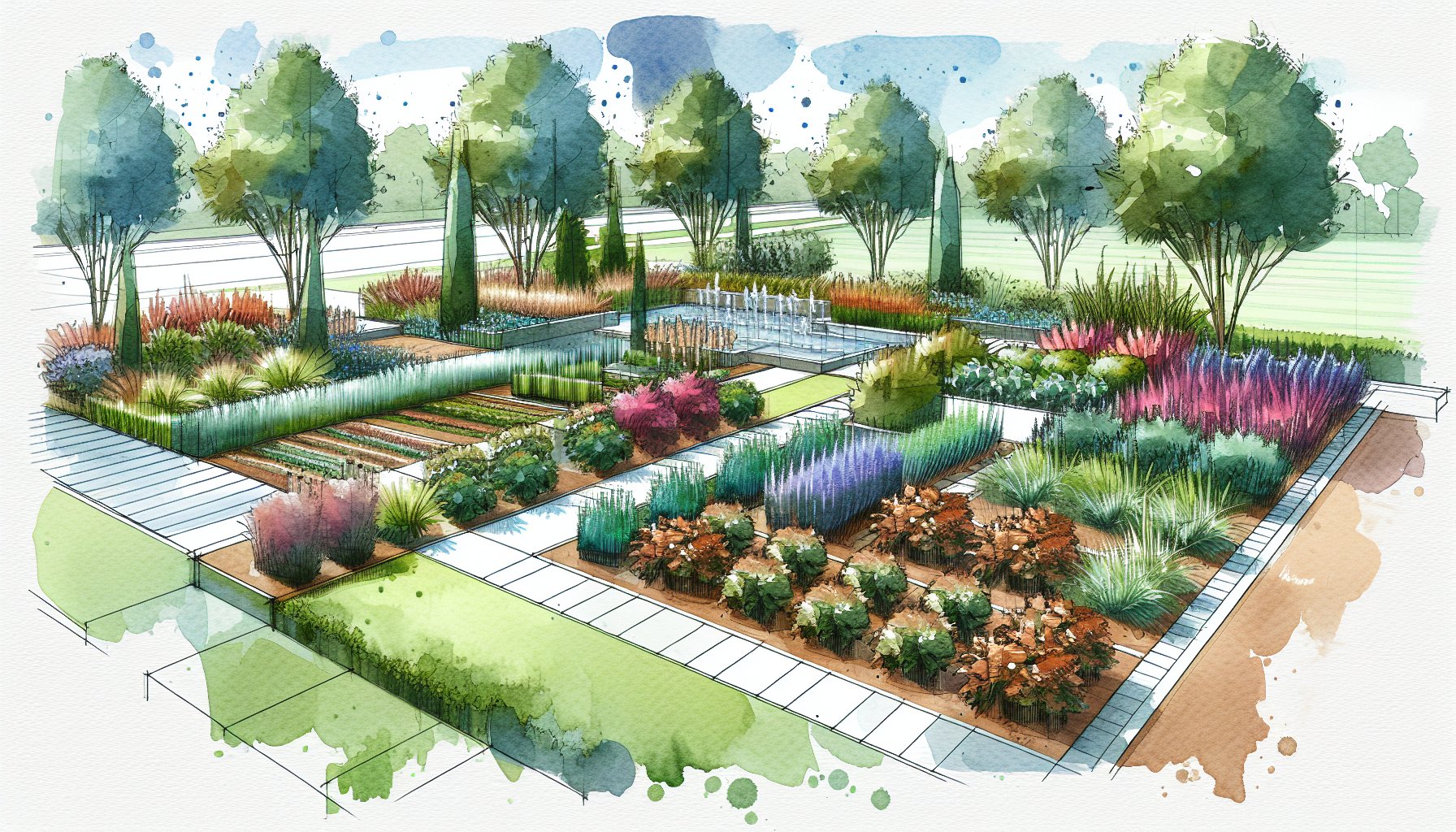
How to Incorporate Custom Planting Beds into Your Landscape Design
Discover how to incorporate custom planting beds into your landscape design. Transform your garden into a vibrant masterpiece with expert tips on plant selection, soil preparation, and seasonal adjustments for a thriving outdoor space.
Nov 05, 2025
Read More
Custom Planting Beds
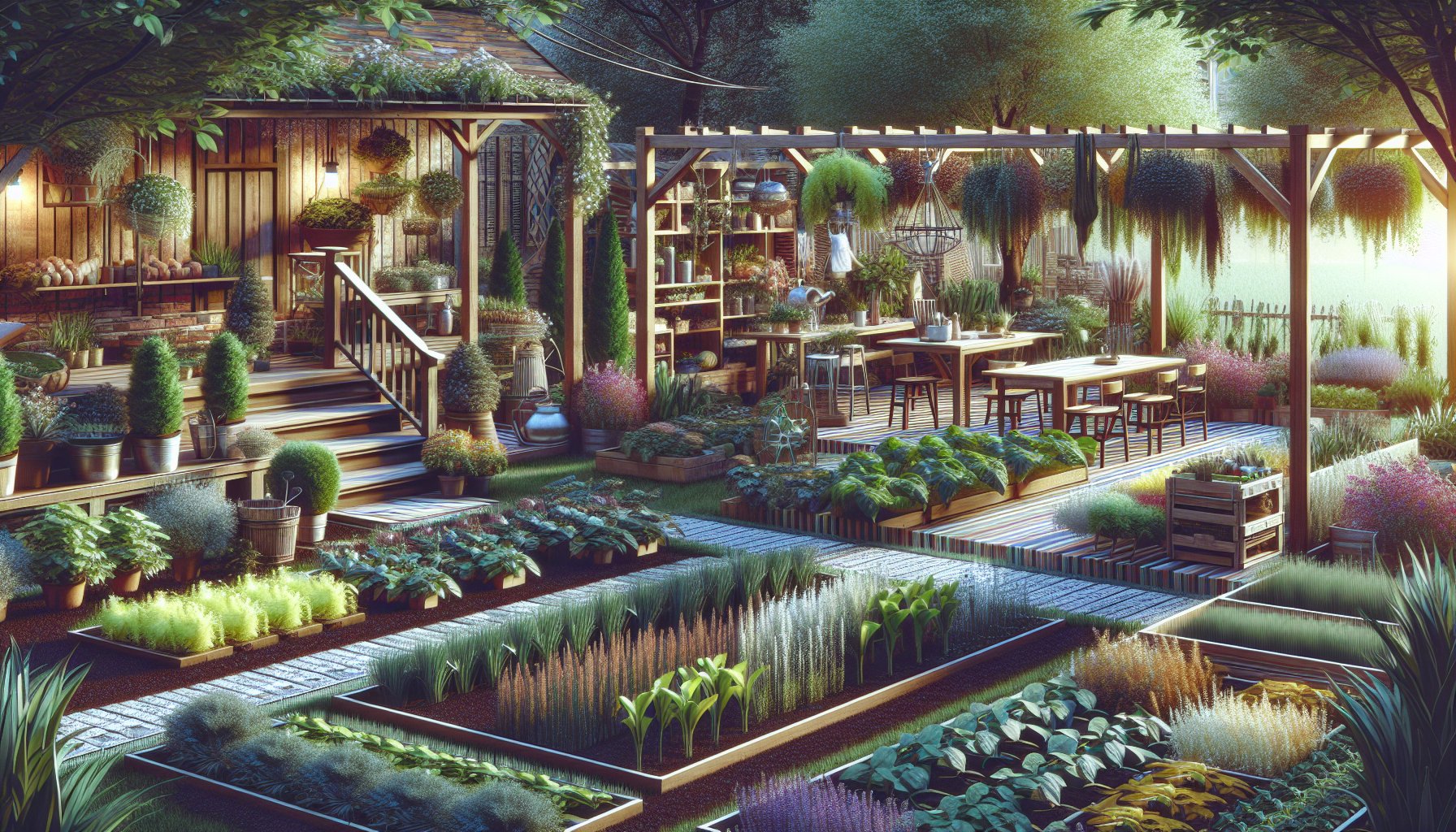
Custom Planting Beds vs. Traditional Gardens: Which is Right for You in 2025?
Discover the pros and cons of Custom Planting Beds vs. Traditional Gardens in 2025. Make an informed choice that reflects your gardening goals, space, and lifestyle. Dive into the future of gardening today!
Nov 03, 2025
Read More
Custom Planting Beds
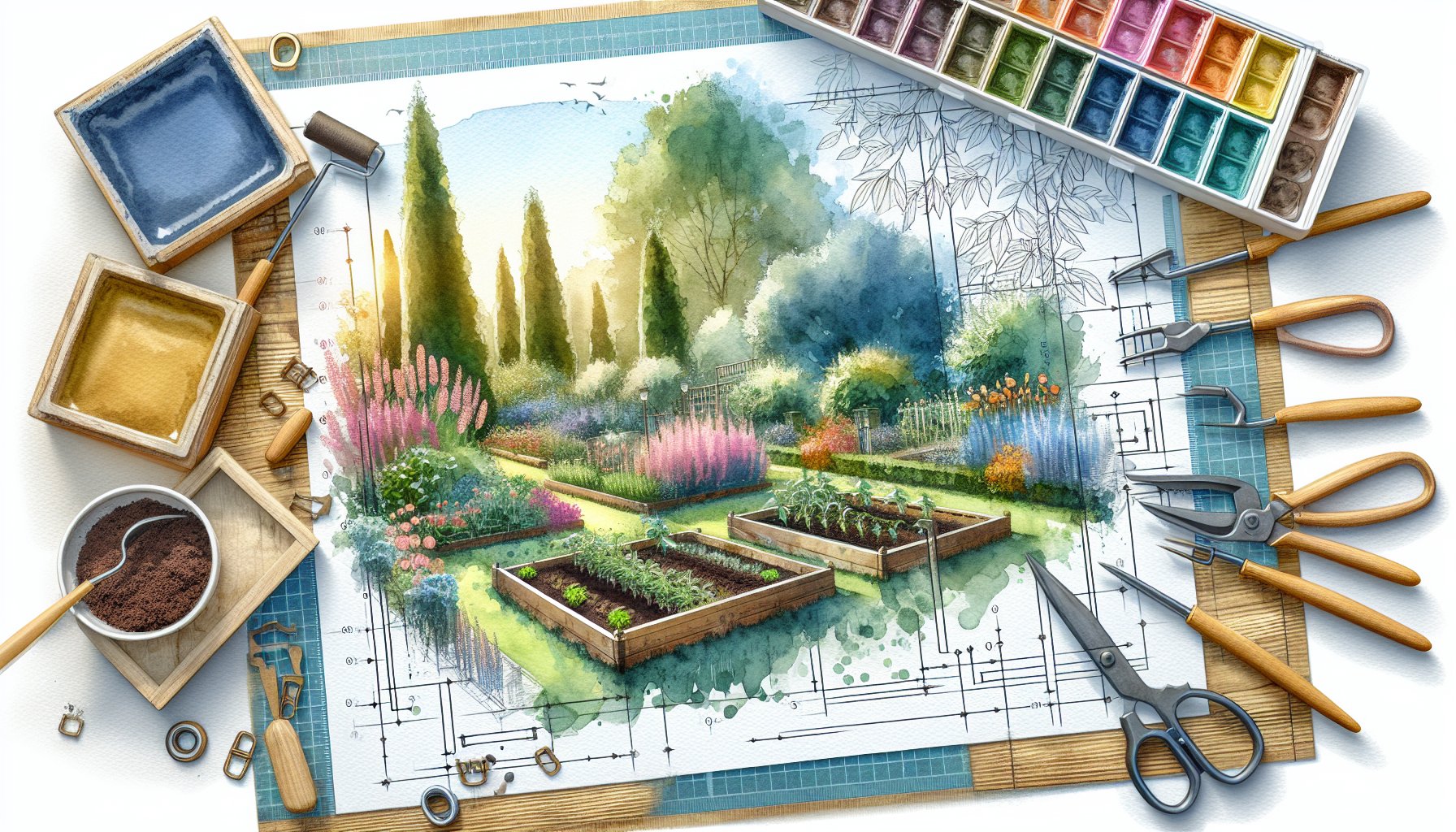
Custom Planting Beds vs. Traditional Gardening: What’s the Difference?
Explore the essential differences between custom planting beds and traditional gardening. Discover which method suits your gardening goals, budget, and space for a thriving garden experience!
Nov 03, 2025
Read More
Custom Planting Beds
The Ultimate Guide to Custom Planting Beds: 10 Must-Know Tips
Unlock the secrets of custom planting beds with our ultimate guide. Discover 10 must-know tips for creating a vibrant garden that reflects your personal style and embraces sustainability. Start your gardening journey today!
Nov 03, 2025
Read More