

Planting Beds
How to Choose the Best Soil for Your Planting Bed
Unlock the secrets to thriving gardens with our guide on how to choose the best soil for your planting bed. Discover soil types, nutrient needs, and sustainable practices to ensure your plants flourish!
Dec 09, 2025
7 min read
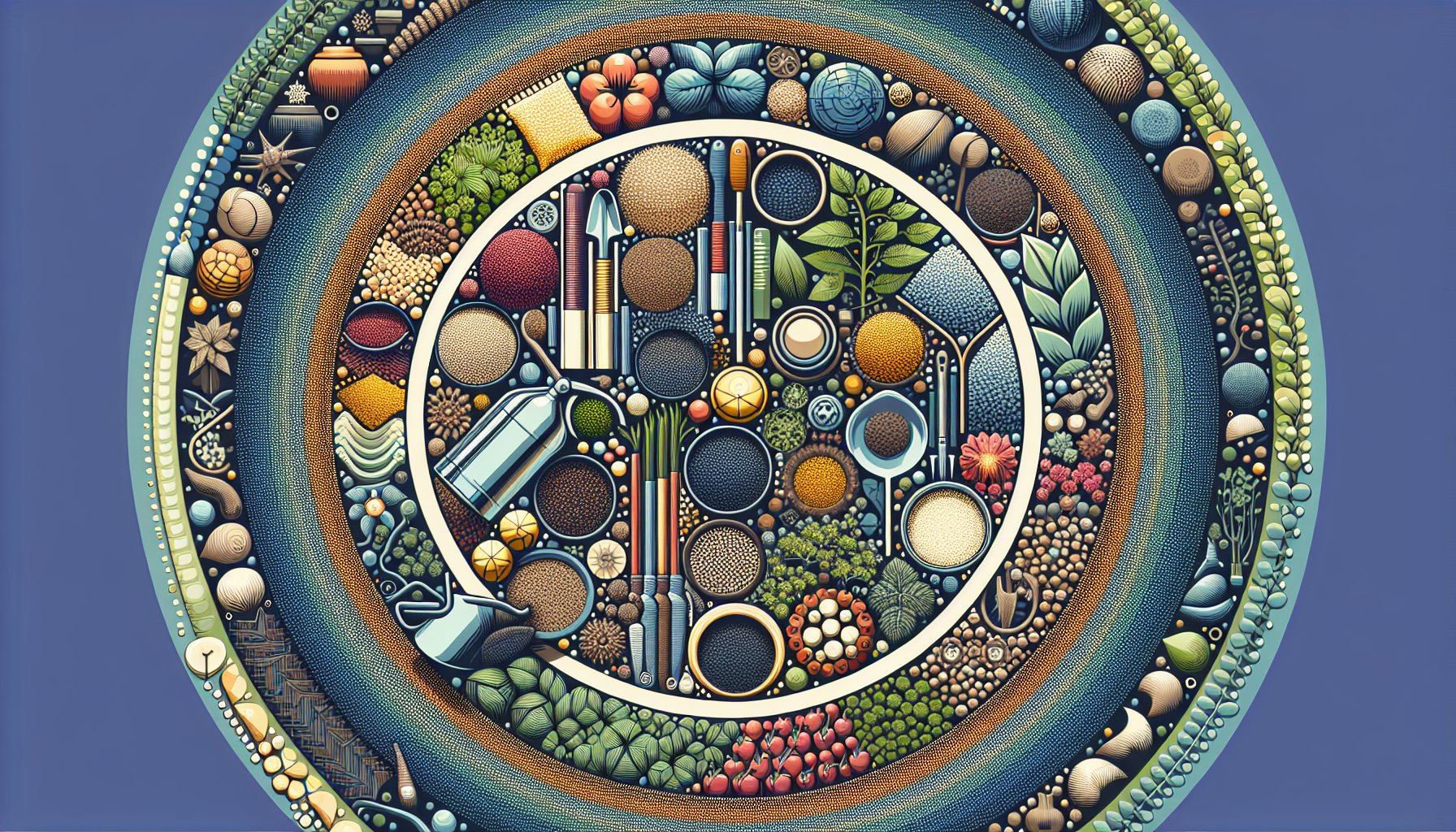
How to Choose the Best Soil for Your Planting Bed
The Foundation of Flourishing
Ah, gardening, the realm where dreams of vibrant blooms and juicy tomatoes take root. But here's the dirty little secret: it's not just about the seeds or the sun. It's all about the soil. I learned this lesson the hard way, one naive summer in my backyard, back when I thought that if I just sprinkled some seeds, nature would do the rest. Spoiler alert: I ended up with a whole lot of nothing because my soil was more about suffocating than nurturing.
Soil isn't just the stuff you track into the house. It's a living, breathing ecosystem, a backstage pass to gardening success. It’s a dynamic blend of minerals, organic matter, water, and air that has evolved over the ages. Want to grow happy plants? You need to understand and embrace this complexity. The right soil mix acts like a Michelin-starred chef, perfectly balancing drainage and nutrients, turning your garden into a lush paradise.
The Great Soil Showdown
Picture soil types like contestants on a reality TV show: each has its quirks and each can either make your garden flourish or flounder. We've got sandy soil, the quick-draining speedster that leaves plants thirsty, versus clay soil, the heavyweight champ that holds onto water like its life depends on it. And then there's loam, the well-rounded starlet that strikes just the right balance, making it the gardener's gold standard.
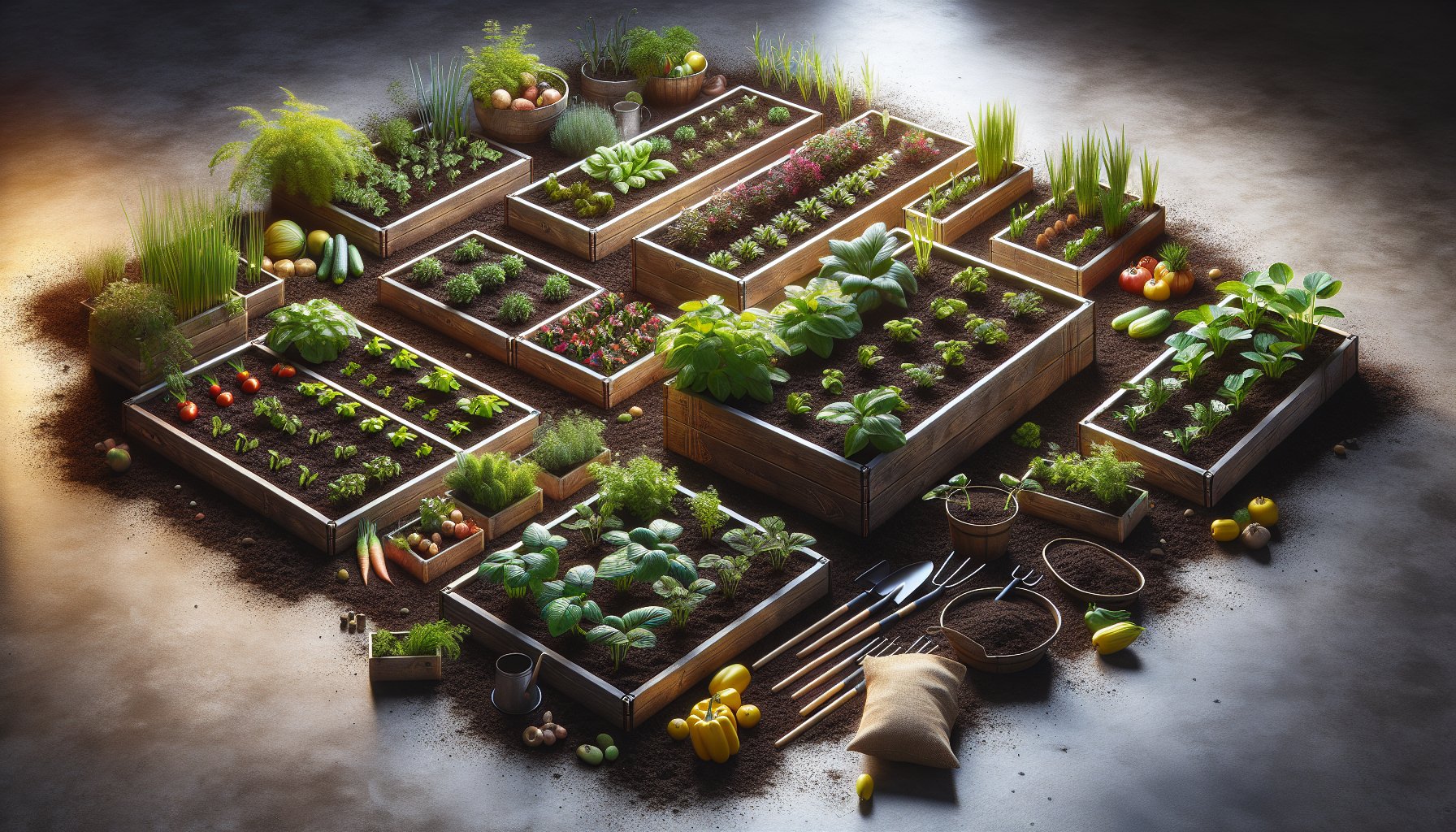
Through my own raised-bed experiments, I discovered that the magic is in the mix. A cocktail of high-quality organic materials with native soil can transform your gardening ambitions into reality. It's like giving your plants a five-star spa treatment. When you think soil, think synergy, combine topsoil, compost, and organic matter and watch your seedlings thrive.
The Nutrient Quandary: What Plants Really Want
Soil isn't just a plant perch; it's a gourmet buffet for your garden. Each plant species has its unique culinary cravings, leafy greens love nitrogen-rich meals, while root veggies are all about that phosphorus life. My early gardening attempts were like serving a gourmet dinner without any salt. I missed the nutrient memo, leading to stunted growth and pale leaves.
The secret to plant happiness is all in the mix. Ensure your soil has a balanced diet of nitrogen, phosphorus, and potassium, topped off with a dash of micronutrients like iron and magnesium. Understanding your soil's nutrient profile means your garden isn't just a waiting game, it’s a celebration of lush greenery and bountiful harvests.
The pH Puzzle
If soil nutrients are the main course, think of pH as the seasoning. A mismatch, and you're left with a bland, disappointing dish. Plants aren't picky eaters, but they do have pH preferences. Knowing whether your soil leans acidic or alkaline can prevent a horticultural heartache. Trust me, a simple soil test is a game-changer.
Once you know your soil's pH, adjusting it is like fine-tuning a musical instrument. A little lime here, some elemental sulfur there, and you've set the stage for a garden symphony.
A Backstage Pass: The Role of Organic Matter
Organic matter is the unsung hero of the gardening world. It’s what turns plain dirt into a nurturing haven. Imagine your soil as a concert stage; without a solid foundation of organic matter, it wouldn't matter how talented the performers are. Compost, decayed leaves, and grass clippings, they're the roadies making sure your plants get the spotlight they deserve.
Enriching your soil with organic matter not only boosts nutrient availability but also improves soil structure. It’s like giving your garden a backstage pass to sustainability and resilience.
From the Ground Up
Building a great garden is like constructing a solid house, it starts with a firm foundation. Understanding your soil's texture, composition, and nutrient levels can make the difference between a bountiful harvest and a barren plot. My early garden misadventures taught me this the hard way, but there's a silver lining: once you get the soil right, you're in for less drama and more blooms.
Beware of common pitfalls, like over-amending with nitrogen-rich compost, which can lead to leafy greens instead of the blooms and fruits you crave. Balance is everything, so get to know your soil’s personality and give it the care it deserves.
Local Flavor: Tailoring Soil Selection to Climate and Region
No two gardens are alike, and your soil should reflect your local landscape. It’s like pairing wine with food, each region has its unique flavors. Whether you're working with the dense clay of Tennessee or the quick-draining sands of California, tailoring your soil mix ensures your garden gets the local flavor it needs.
Your local climate and native flora offer clues to what works best, so do a little detective work. Join local gardening communities and share stories, it's like tapping into a library of botanical wisdom.
The DIY Soil Recipe
Crafting your unique soil mix is like making a signature cocktail. Start by assessing what you have, then mix in equal parts compost, peat moss, and vermiculite. It's all about proportions, too much of anything can be a recipe for disaster.
Don’t forget to test for pH levels, and add organic fertilizers to keep your garden nourished. Once you’ve created your mix, let it age for a month to let microorganisms work their magic before planting. The satisfaction of a thriving garden is worth a few dirty hands.
Guardians of the Garden: Sustainable Soil Practices
Sustainable gardening isn't just a buzzword; it's a commitment to nurturing our planet. Soil is the garden's backbone, and by adopting sustainable practices like crop rotation and cover cropping, you're doing your part for the ecosystem. Think of compost as your garden's health insurance, it enriches soil, retains moisture, and promotes biodiversity.
As you tend to your garden, remember that every sustainable choice you make helps protect not only your plants but our planet.
Beyond the Bed
Your garden might seem like a done deal once the seeds are planted, but soil care is a lifelong commitment. It's like nurturing a relationship, it requires attention and care. Regularly add organic matter and keep an eye on pH levels. Test your soil, water wisely, and ensure your garden remains rich in nutrients.
Remember, a garden is a living entity that thrives on your love and care. When you treat soil care as an ongoing journey, your garden will reward you with beauty and bounty beyond your wildest dreams.
TLDR Summary Box
- Soil Basics: Essential for plant growth; a mix of minerals, organic matter, water, and air.
- Soil Types: Sand (drains fast), Clay (retains moisture), Loam (best blend).
- Nutrient Needs: Balance of nitrogen, phosphorus, potassium, and micronutrients is key.
- pH Levels: Crucial for nutrient uptake; adjust with lime or sulfur based on plant needs.
- Organic Matter: Compost enhances soil life and structure.
- Regional Considerations: Tailor your soil to local climate and characteristics.
- DIY Soil: Craft a custom mix with compost, peat moss, and vermiculite.
- Sustainable Practices: Include crop rotation, cover cropping, and composting for a healthy garden.
- Ongoing Care: Regular nutrient checks, pH adjustments, and watering are vital for long-term success.

 1414 N 205th St Suite 2

Need Help?
Check out these related products that can help:

Other Articles You Will Like
Planting Beds
How to Maintain Healthy Planting Beds All Year Round
Discover how to maintain healthy planting beds all year round with expert tips from Carson Outdoor Living. From soil science to seasonal strategies, learn the secrets to vibrant gardens that thrive in every season.
Dec 09, 2025
Read More

Planting Beds
7 Creative Ideas for Designing Raised Planting Beds
Discover 7 creative ideas for designing raised planting beds that elevate your garden's aesthetic and functionality. From tiered structures to high-tech solutions, transform your outdoor space into a vibrant masterpiece of nature and innovation.
Dec 08, 2025
Read More
Planting Beds
Creative Planting Bed Designs to Enhance Your Landscape in 2025
Transform your outdoor space with Creative Planting Bed Designs to Enhance Your Landscape in 2025. Discover sustainable, colorful, and edible garden concepts that reflect your unique style and connect with nature.
Aug 26, 2025
Read More
Planting Beds
The Ultimate Guide to Planting Beds: Tips for Beginners
Dive into The Ultimate Guide to Planting Beds: Tips for Beginners. Discover how to create thriving raised beds, choose the right plants, and overcome gardening challenges. Transform your gardening experience with expert advice and community support!
Aug 26, 2025
Read More